
One of the most singular places on the planet, where the unbroken tradition of centuries coexists with a rare and precious ecosystem. Their name derives the colour of their peaks, which remain white almost throughout the year, whether snow-capped or not. They are located in western Crete, oriented from west to east, and occupy a land area of 50 km long and 25 km wide, which represents almost 40% of the Chania Prefecture. It is remarkable that the White Mountains have 57 summits that exceed 2,000 metres, with another 54 rising from 1,500 to 2,000 metres.
Apocosmos
Yiorgos Patroudakis
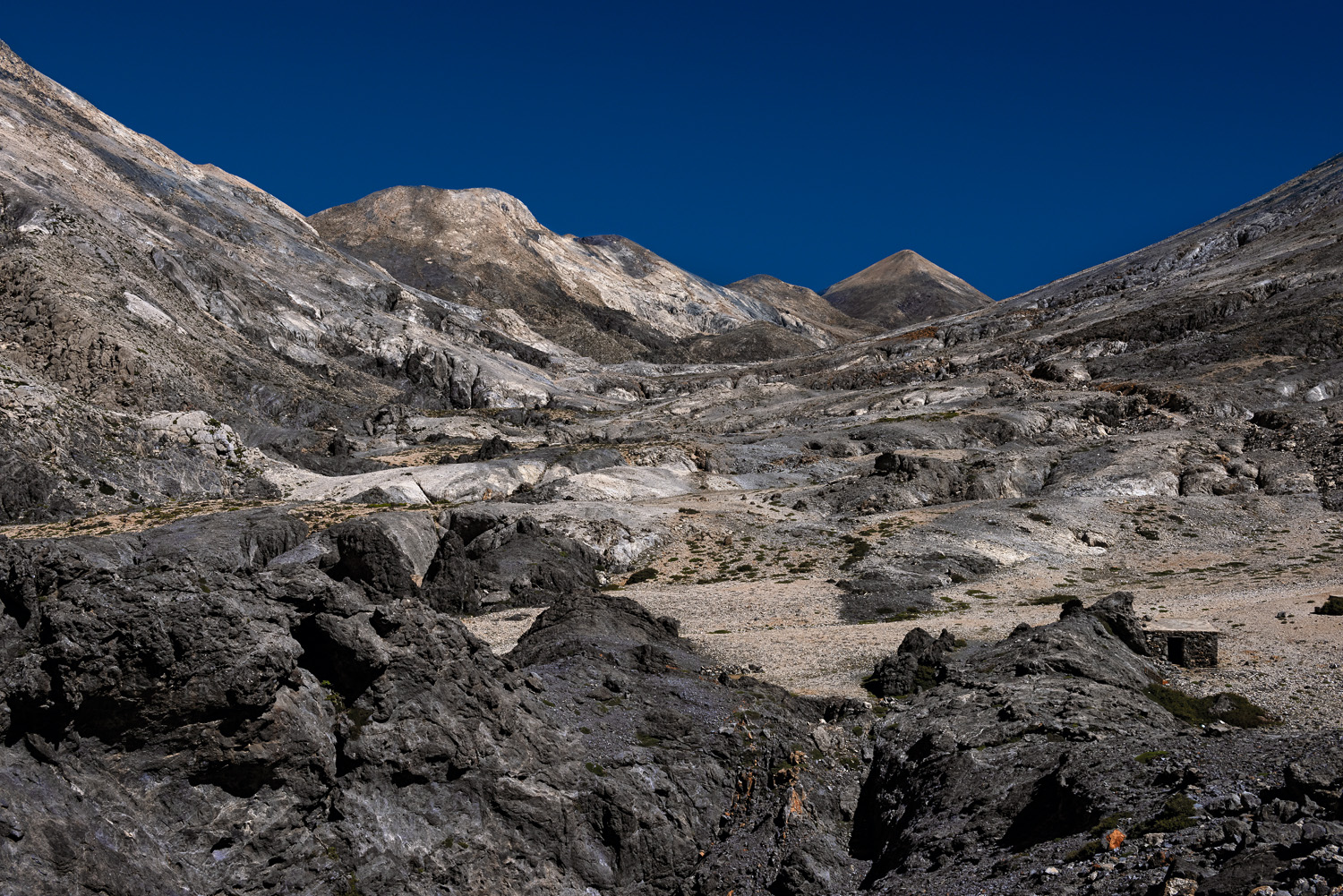
The White Mountains are a majestic stone giant that looms at the centre of the Mediterranean.
The otherworldly and majestic Madares of Sfakia, as the alpine pasturelands of the White Mountains are known, is one of the most important geological and botanical paradises on the planet. At the same time, they are a human time capsule off immeasurable value, as they preserve faming activities in their primordial form. In this almost alien land and under the most unfavourable conditions, life has adapted to provide a wide range of unique fauna and flora, combined with the presence of some particularly singular people.

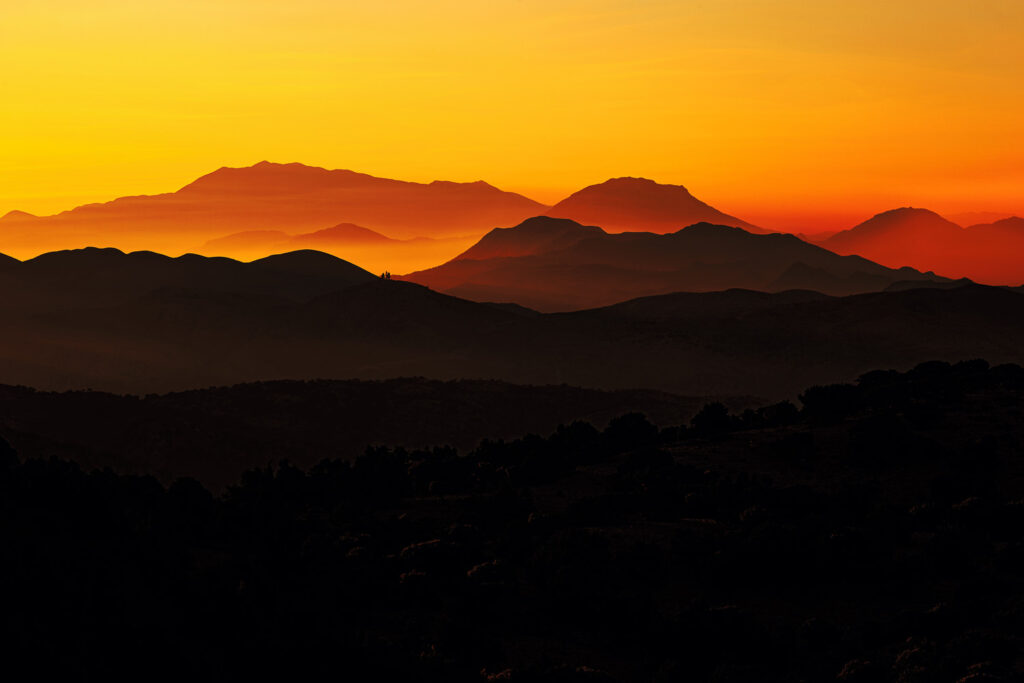
The wild beauty of the alpine zone throughout the seasons.
From majestic peaks and remarkable sinkholes, to verdant meadows which, in summertime, are lush with rare endemic herbs.
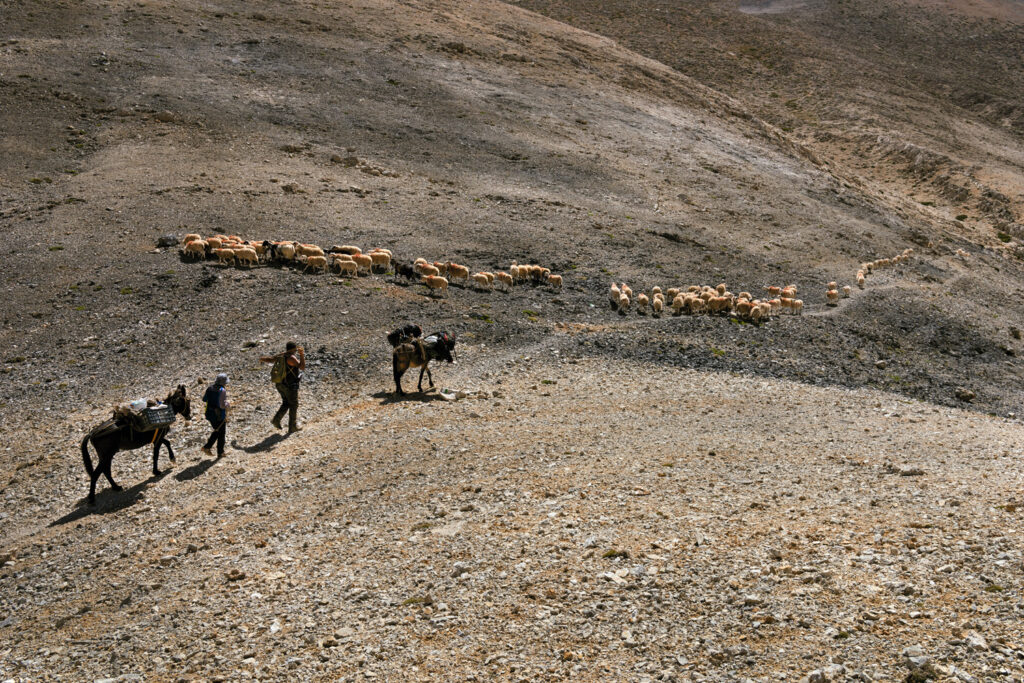
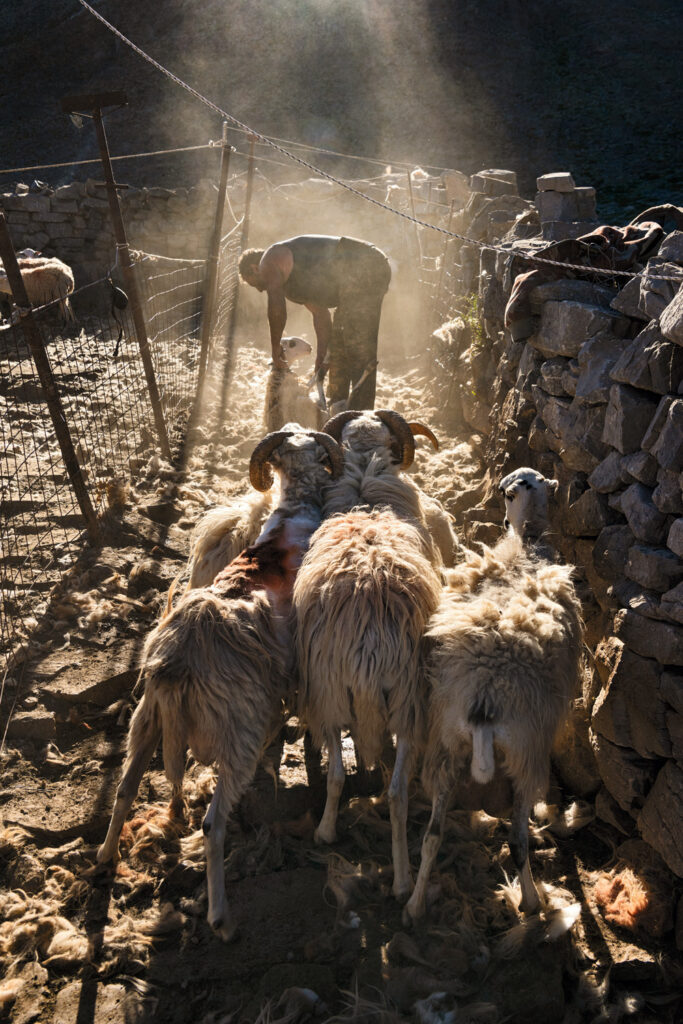
The everyday of life of the Madarites, the shepherds of Madara, who live and work in the alpine zone, continuing a tradition of centuries.
The absence of roads is a blessing for scientists and those who engage with the authentic, but a curse for the inhabitants of Madares themselves, who are deprived of almost all technological commodities. In addition to showcasing natural monuments and wildlife, the main purpose of this exhibition is to raise the awareness of public opinion and relevant organisations, so that human habitation in the Madares may continue. It is the duty and responsibility of the State, scientists and environmental organisations to take equal interest in people as they do in plants and animals. Beyond the “red lists” compiled for endangered plant and animal species, and which require emergency measures of protection, similar measures need to be taken to protect human activities with ancient roots.
The Madarites are one such characteristic example: they develop their activities in the alpine zone, in an environment of breathtaking beauty. They live in entirely primitive facilities and do exactly what the first shepherds of Madares did thousands of years ago: they produce a wonderful “endemic” cheese, which is worth a lot but earns them very little. They travel enormous distances to do their work, surviving without light, water or roads. To transport their famous cheeses, they use donkeys and mules, exerting huge effort and vast amounts of time. They leave their families alone for months on end and, in the event of accidents, they are almost certainly doomed. A hard and savage life, as far removed as one could imagine from the urban luxuriation of convenience; a life that forges strong, authentic, unforgettable characters.


Rare endemic plants, the majority of which has existed here since the Pleistocene.
The area is considered one of the hot spots for flora globally, a fact that has attracted hundreds of botanists to the alpine zone over the centuries. Of approximately 650 plant species that manage to survive at an altitude exceeding 1,500 meters, 100 are only found on the mountains of Crete,
and 25 of those only on the Madares of Sfakia and nowhere else in the world. Ten species, in fact, contain the word “sphaciotica” in their scientific names. Of particular interest is also the presence of a large number of plants that connects the flora of Crete to that of the Asian steppes and deserts.
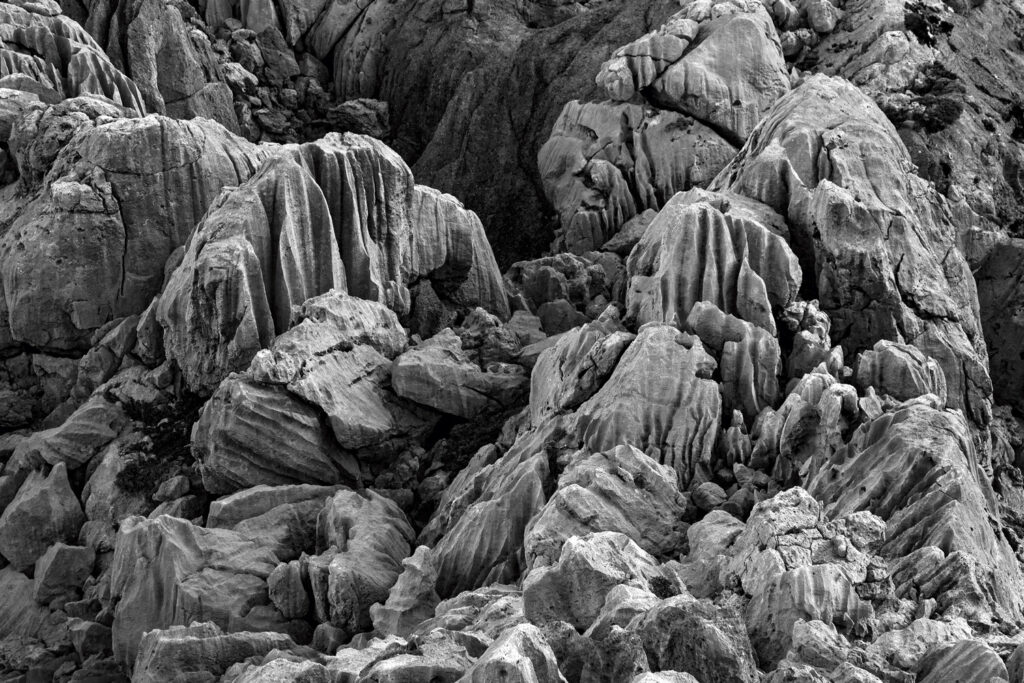
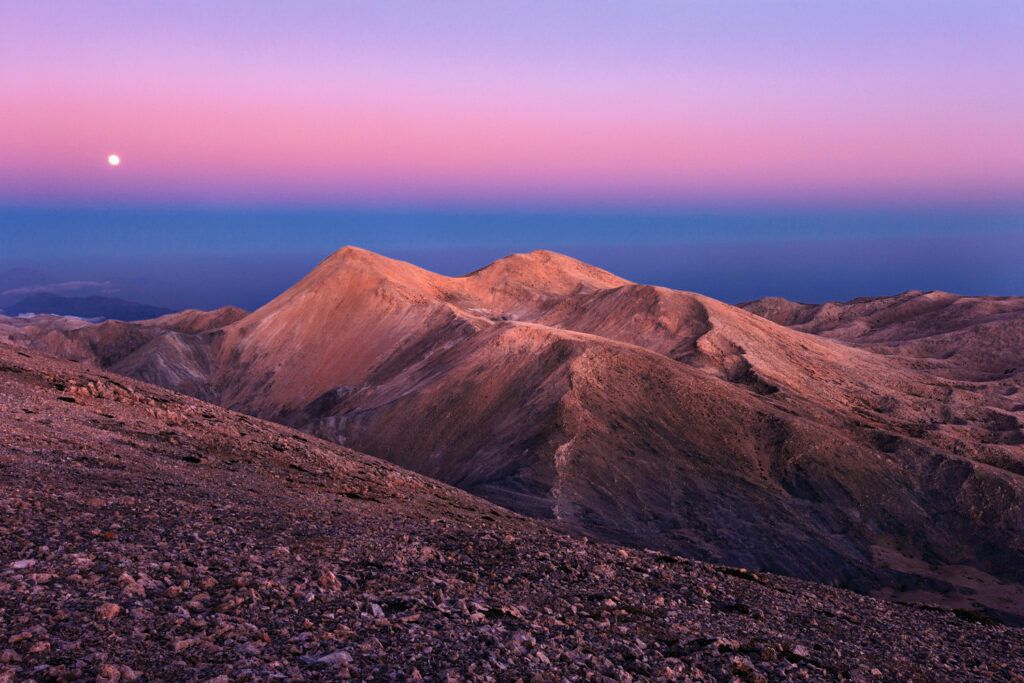
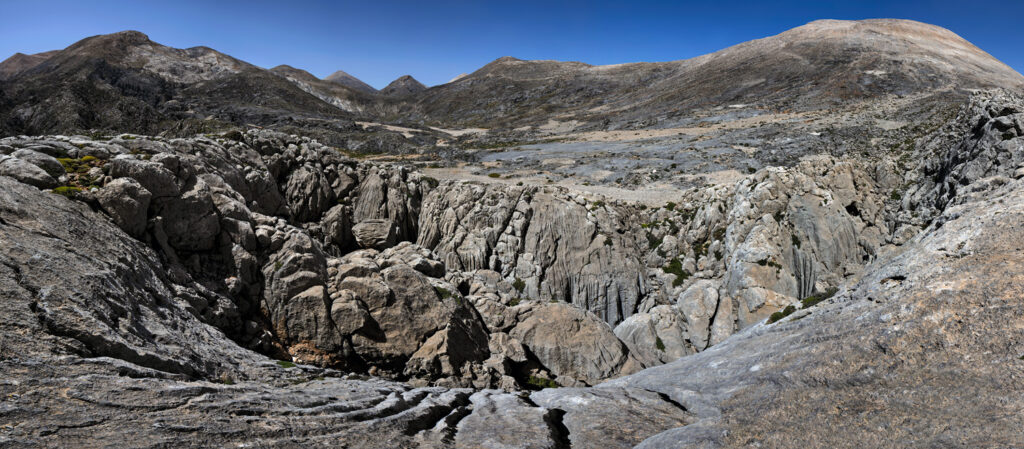
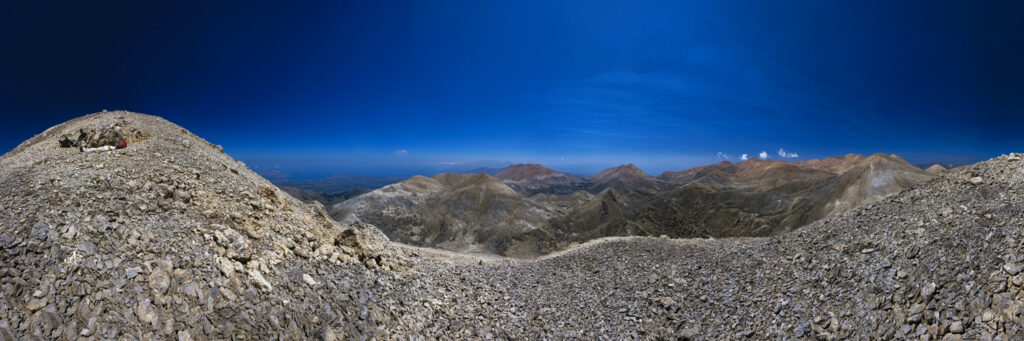
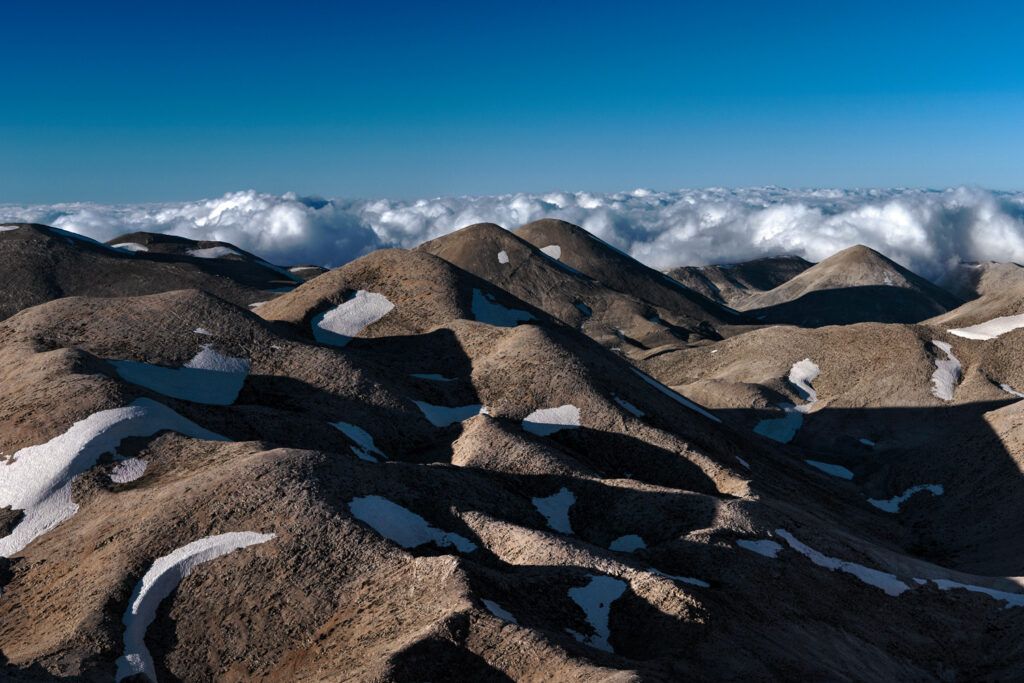
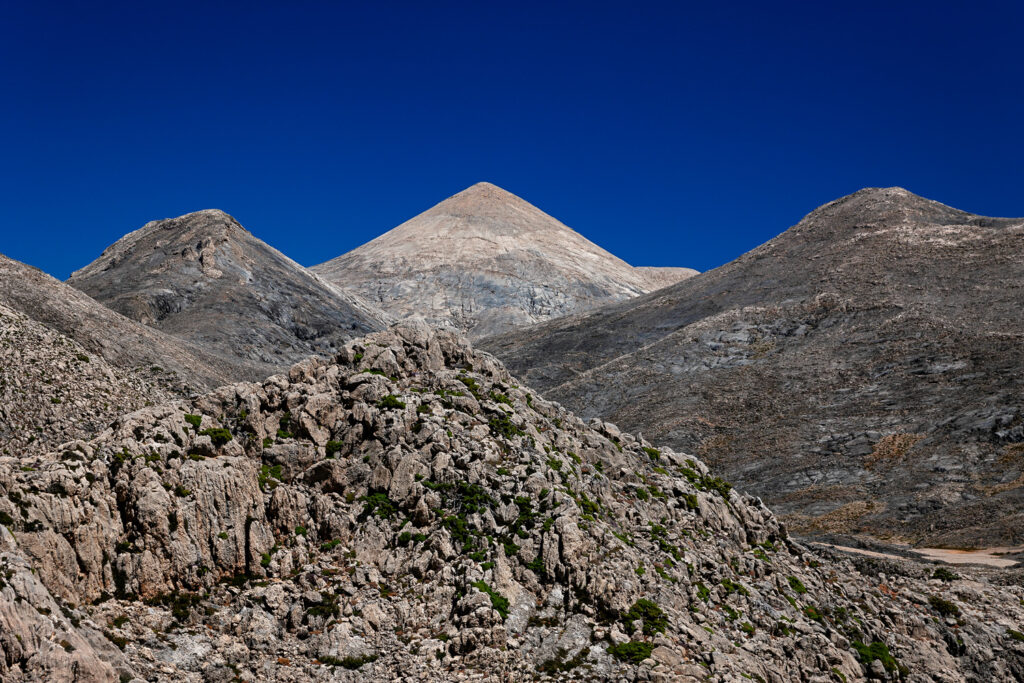
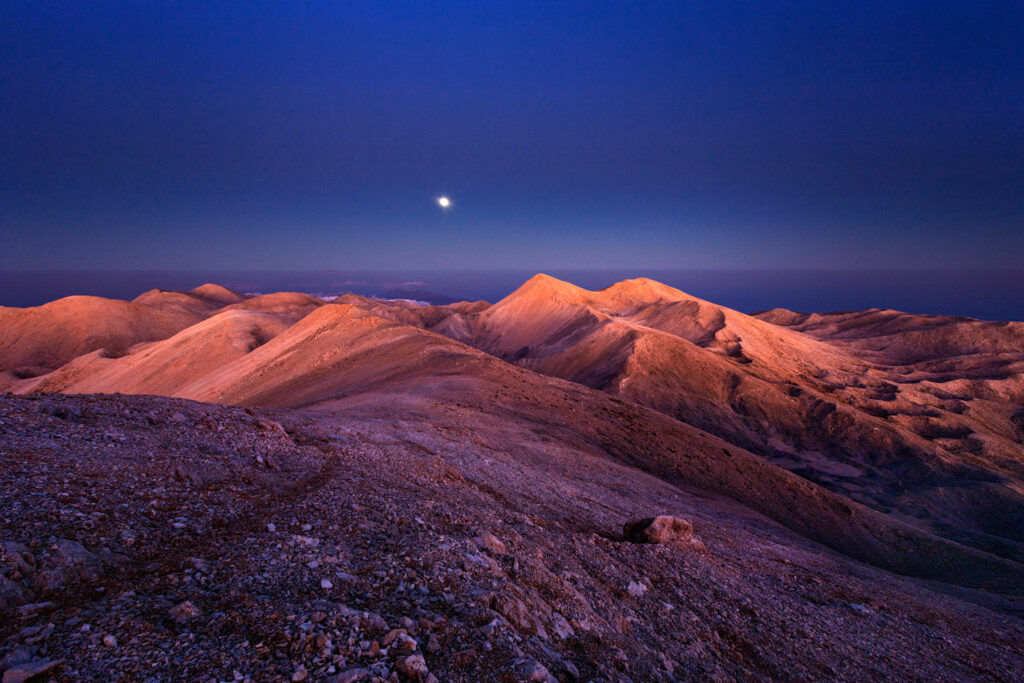
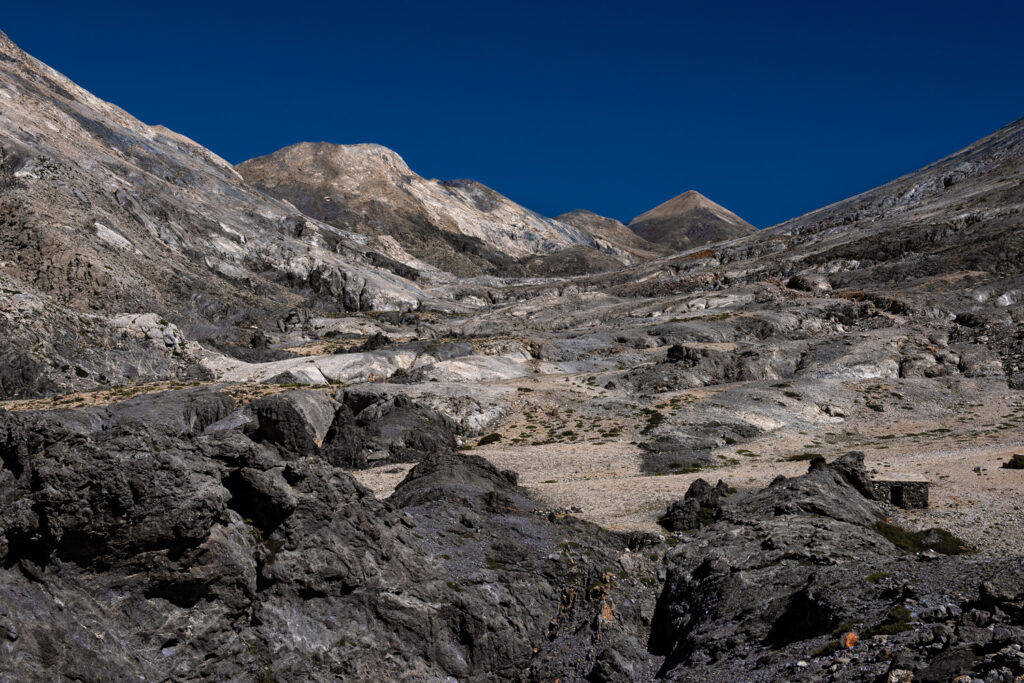
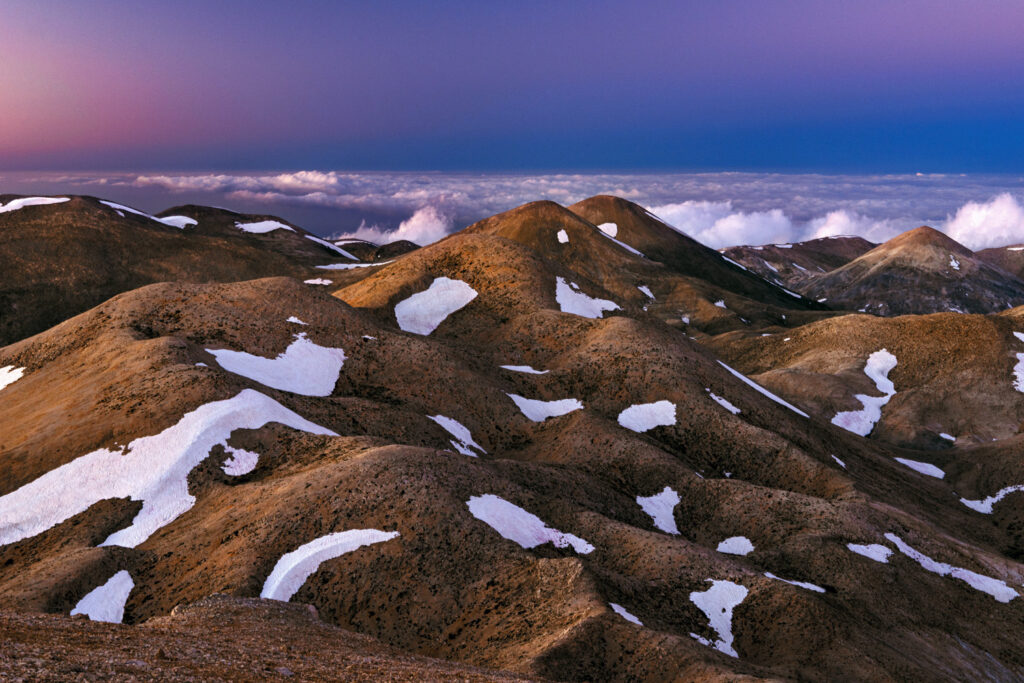
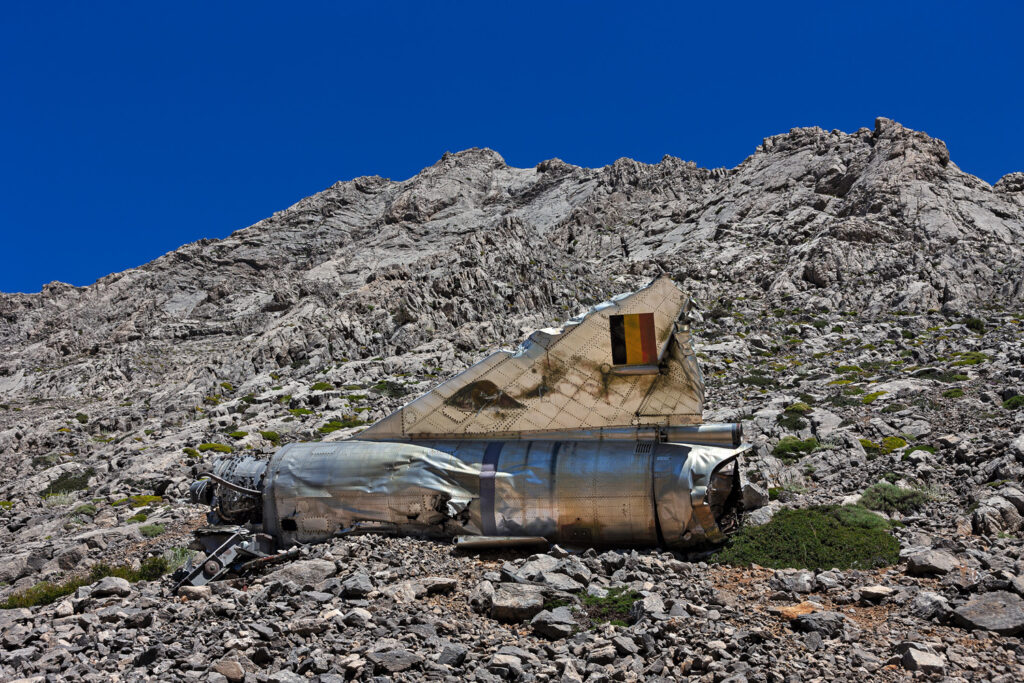
The famous “Alpine Desert”, a breathtaking lunar zone, a place of otherworldly beauty.
Once seen, can never be forgotten: a complex of conical peaks at 32-degree angle enclosing a sinister landscape of sinkholes, dry valleys, chasms, cave chasms and steep cliffs.
In the forested area of the White Mountains, at an altitude of 1,600 metres, is a forest of incredible beauty, which should, by rights, have been declared a “monument of Nature” long ago, and protected at all costs. Roots burrowing into the hard limewood for centuries have given rise to a distinctive, thin forest with trees that look like massive sculptural figures emerging from the mountain’s depths.
Yiorgos PatroudakisJournalist / Photographer